Sourcing vape hardware from China has long been the go-to choice for many U.S. cannabis brands. The complete supply chain for components and significantly better cost performance make it hard to beat. However, a major policy change in 2026 is about to shift this reality.
China has officially cancelled the 13% VAT export rebate for non-combustion inhalation products. This policy directly affects HS codes 2404120000 and 8543400090. As a result, the cost of importing all battery-containing vape hardware from China is set to increase.
This guide breaks down the real manufacturing costs of sourcing vape cartridges from China in 2026.

What Changed on April 1, 2026: The VAT Export Rebate Policy
For years the 13% VAT export rebate acted like a built-in buffer. Factories could reclaim part of the tax paid on materials and production when goods left China. That lowered the effective cost base and kept FOB prices competitive.
From April 1, 2026, that rebate dropped to 0% for the relevant HS codes.
- HS 2404120000 covers products for inhalation without combustion that contain nicotine (think disposables and pre-filled pods).
- HS 8543400090 covers other electronic cigarettes and similar personal vaporizing devices. This is where most empty 510 cartridges, batteries, and open-system hardware land.
The policy targets nicotine-containing inhalation products most directly, but hardware classification under 8543400090 means empty cartridges and related components still feel the squeeze through higher net costs passed along the chain. Battery-related rebates are phasing down separately (9% to 6% through the end of 2026, then zero).
We've already seen factories adjust quotes. The days of treating the rebate as invisible margin support are over. For cannabis brands sourcing empty carts, the increase isn't always a clean 13% - it depends on how much of the cost structure was tied to rebated inputs - but 8-12% higher landed costs are now common unless you locked in earlier.
2026 Vape Cartridge Manufacturing Cost Breakdown
Here's the part most buyers want first: the actual numbers.
A standard empty 510 ceramic coil cartridge (0.5ml or 1ml, glass tank, basic child-resistant features) breaks down roughly like this from the factory floor:
- Materials (glass, ceramic coil, 510 threading, mouthpiece, base) - the biggest slice, especially with quality ceramic that doesn't crack or leach.
- Labor and assembly - still relevant even with more automation.
- Quality control, leak testing, and packaging.
- Overhead and fixed costs (molds, equipment depreciation).
In 2026, after the rebate removal and ongoing material/labor pressure, typical FOB pricing for decent ceramic 510 cartridges looks like this (realistic ranges we see in production):
| Order Quantity | Standard Ceramic Coil Cartridge (FOB USD/piece) | Mid-High Spec (better leak resistance, custom features) |
|---|---|---|
| 1,000 – 10,000 pcs | $0.45 – $0.65 | $0.70 – $1.10 |
| 50,000 – 100,000 pcs | $0.33 – $0.48 | $0.55 – $0.85 |
| 500,000+ pcs | $0.25 – $0.38 | $0.45 – $0.70 |
These are approximate factory-direct ranges. Low-end carts can dip lower, but they usually bring higher leak or failure rates that cost more downstream. High-volume orders unlock real economies because material bulk buying and automated lines spread fixed costs thinner.
Before vs After April 1 Impact Example (50,000-piece order of a mid-spec 1ml ceramic cart):
- Pre-April pricing baseline: around $0.42–$0.48 FOB
- Post-rebate adjustment: expect $0.47–$0.55+ depending on negotiation and exact specs
On a 50k order that can mean an extra $2,500–$5,000 or more. Not catastrophic on its own, but it stacks when you run multiple SKUs and adds up fast across a year's volume.
Key Factors Driving Cartridge Costs in 2026
Several things move the needle more than others right now.
MOQ matters a lot. Small runs (under 5k) carry higher per-unit overhead. Once you cross 50k–100k, the unit price drops noticeably because suppliers can run longer production batches and negotiate better on ceramic coils and glass.
Customization adds cost - child-proof tops, special mouthpiece shapes, branded printing, tighter leak tolerances. Cannabis brands often need strong leak resistance for thicker oils, so paying a bit more for better coil and sealing design usually pays off in fewer returns.
Material quality separates the numbers quickly. Cheap ceramic can save a few cents but leads to uneven heating or metal contact issues. We see brands moving toward full-ceramic or high-purity options because cannabis extracts are sensitive and customers notice bad flavor fast.
Labor and logistics haven't stopped rising either. Combined with the lost rebate, many smaller factories are struggling. That's pushing consolidation toward shops with better automation and stronger supply chains.
Why Empty Vape Cartridges Are Becoming Cannabis Brands' Preferred Hardware in 2026
Here's the shift we're watching on the floor and in customer conversations.
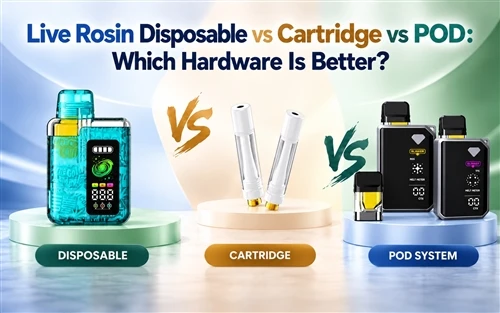
Disposable and pre-filled nicotine-style products took the heavier direct policy hit under the nicotine-focused classification. Empty cartridges, especially 510-thread ones for cannabis oils and distillates, give brands more control. You fill with your own extract, keep branding consistent, and adjust formulations without retooling the entire hardware every time.
Cost transmission has been less severe on pure hardware carts compared to finished nicotine goods. That relative stability, plus the flexibility of cartridges, makes them attractive when margins are tightening everywhere else.
Cannabis users also prefer the experience - better flavor from quality ceramic coils, repeatable draws, and the ability to use the same battery across products. Regulatory environments in many markets favor hardware that isn't pre-filled with controlled substances, which simplifies compliance and shipping in some cases.
For brands scaling up, cartridges let you test new strains or ratios without committing to huge pre-filled runs. At volume, the per-unit economics improve faster than many disposables because you reuse the battery side.
We're seeing more cannabis companies move their hardware strategy toward reliable empty carts rather than all-in-one disposables purely for these reasons in 2026.
How to Lock in Better Costs and Manage the Transition
Don't wait for quotes to keep climbing.
Act quickly on current production slots. Factories are busier than usual as buyers try to front-load before further adjustments. Get your specs locked, samples approved, and orders placed with clear delivery windows that clear customs under the best possible conditions.
Prioritize suppliers with real automation and vertical control over ceramic and glass components. They absorb shocks better when raw material prices move. Smaller shops that lived mostly on thin margins plus the old rebate are more likely to cut corners or raise prices sharply.
Build some buffer inventory if your storage and cash flow allow - 3–6 months of core SKUs can smooth out the transition while you negotiate longer-term pricing with reliable partners.
Review your BOM. Sometimes separating certain packaging or accessory elements can help optimize classification and duties, though the main hardware still falls under the affected codes.
At ASM VAPE we run automated lines for ceramic cartridge assembly and keep tight control on coil consistency and leak testing. That setup helps us hold pricing steadier than shops relying on heavy manual labor. If you're sourcing for cannabis lines, we can show you current 2026 runs and what's realistic for your volume and specs.
Final Thoughts
The 13% rebate cancellation is real and it has already moved cartridge costs upward. Yet for cannabis brands, empty 510 cartridges still offer one of the more stable and flexible hardware options available right now - especially when you buy at scale from a manufacturer who controls the key variables.
The brands winning in 2026 are the ones who locked in quality suppliers early, accepted the new cost baseline without panic, and used cartridges to keep product variety high while protecting margins on the hardware side.
If you're evaluating 2026 cartridge supply, send over your specs and target volume. We'll pull the latest numbers from the line and talk through what actually makes sense for your lineup.