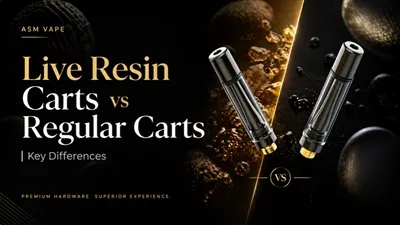
A live resin cart is a cannabis vape cartridge filled with oil made from fresh-frozen cannabis flower. The plant is frozen shortly after harvest to preserve more natural terpenes, cannabinoids, aroma compounds, and strain-specific characteristics.
A regular cart usually refers to a distillate cart. Distillate carts are typically filled with highly refined cannabis oil made from dried and cured cannabis material. The goal is usually high THC concentration, batch consistency, lower cost, and a predictable vape experience.
The short version is this:
Live resin carts are usually better for flavor, aroma, and full-spectrum experience. Regular carts are usually better for high THC numbers, affordability, discretion, and consistency.
Neither one is automatically "better." They serve different users and different product strategies.
What Are Live Resin Carts?
Live resin carts are vape cartridges filled with live resin oil, a cannabis concentrate made from fresh cannabis plants that are flash-frozen shortly after harvest.
That freezing step matters.
Fresh cannabis contains volatile compounds, especially terpenes, that can degrade during drying, curing, heat exposure, and long storage. Terpenes are the compounds responsible for much of the plant's aroma and flavor. They also influence the way a cannabis product feels when consumed, especially when combined with cannabinoids such as THC, CBD, CBG, and others.
Live resin production is designed to preserve more of that original plant profile.
This is why live resin vape carts are often described as more strain-specific. A good live resin cart should not just taste "like cannabis." It should carry more of the character of the original flower: gassy, citrus, pine, berry, earthy, floral, or skunky depending on the strain and extraction quality.
Live resin carts are common in premium cannabis vape lines. They usually appeal to users who care about flavor, aroma, and a more layered effect rather than only chasing the highest THC percentage on the package.
From a hardware perspective, live resin oil also deserves more attention. It can be more sensitive to temperature, terpene loss, oxidation, and leakage if the cartridge design is not matched properly.
What Are Regular Carts?
Regular carts are standard cannabis vape cartridges, and in most market discussions, the term refers to distillate carts.
A distillate cart is filled with highly refined cannabis oil. The oil is usually made from dried and cured cannabis material, then processed to isolate and concentrate cannabinoids, especially THC. After refinement, natural terpenes may be reduced or removed. Some producers add cannabis-derived terpenes or botanical terpenes back into the oil to create flavor.
This gives regular carts several commercial advantages.
They can reach high THC percentages, often in the 85%–99% THC range depending on formulation and testing. They are easier to standardize across batches. They usually cost less to produce than live resin carts. They also tend to have lighter aroma, which makes them more discreet for many users.
Regular carts are not automatically low quality. A well-made distillate cart with clean oil, proper terpene formulation, safe materials, and reliable hardware can perform very well.
But it is a different experience.
Regular carts are usually built around potency, consistency, and value. Live resin carts are built around flavor, aroma, and fuller plant expression.
Live Resin Carts vs Regular Carts: Key Differences at a Glance
The table below gives a practical comparison of live resin carts vs regular carts from both consumer and product-development angles.
|
Feature |
Live Resin Carts |
Regular / Distillate Carts |
|
Source material |
Fresh-frozen cannabis flower |
Dried and cured cannabis material |
|
Processing goal |
Preserve terpenes, cannabinoids, and strain profile |
Refine and concentrate THC |
|
Typical THC range |
Often around 60%–90% |
Often around 85%–99% |
|
Terpene content |
Higher, more natural |
Lower, often added back |
|
Flavor |
Richer, more complex, strain-specific |
Cleaner, simpler, sometimes flavored |
|
Aroma |
Stronger cannabis aroma |
Lighter, more discreet |
|
Effect profile |
More nuanced, full-spectrum style |
More direct and predictable |
|
Price range |
Usually higher; often premium tier |
Usually lower; broader price range |
|
Batch consistency |
More variation by strain and batch |
Easier to standardize |
|
Hardware sensitivity |
Higher; temperature and sealing matter more |
More forgiving, but still needs proper hardware |
|
Best fit |
Premium vape lines, flavor-focused users |
High-THC, value, discreet, and mass-market lines |
For a retail consumer, this table helps answer which cart to buy.
For a cannabis brand, it also points to a more serious issue: the same cartridge hardware may not perform equally well with live resin oil and distillate oil.
Extraction Process: Why Fresh-Frozen Cannabis Changes the Final Cart
The biggest difference between live resin carts and regular carts starts before the oil ever reaches the cartridge.
Live resin starts with fresh cannabis flower that is frozen shortly after harvest. The goal is to lock in the plant's original terpene and cannabinoid profile before drying and curing can reduce volatile compounds.
Regular distillate oil usually starts with dried and cured cannabis material. The oil is then refined through more aggressive processing. This can produce a cleaner, more concentrated THC oil, but it often removes much of the original aroma and flavor complexity.
This difference affects almost everything downstream:
- flavor intensity
- aroma strength
- THC percentage
- viscosity
- heat sensitivity
- storage behavior
- hardware compatibility
A live resin cart is not just "distillate with better flavor." It is a different oil system.
That difference is exactly why live resin carts often need more careful hardware selection, especially around heating core design, intake hole size, airflow, sealing, and voltage range.
Flavor and Aroma: Why Live Resin Tastes More Like Fresh Cannabis
Flavor is where live resin carts usually win.
Because live resin oil preserves more natural terpenes, it can deliver a stronger and more recognizable strain profile. A live resin cart made from a gassy OG strain should not taste like a generic sweet vape. A citrus-forward strain should keep more of that bright, sharp top note. A skunky strain should smell and taste closer to flower.
That is the main selling point.
Regular carts can still taste good, but the flavor is often more controlled and less layered. Many distillate carts use added terpenes after refinement. Some use cannabis-derived terpenes. Others use botanical terpene blends. These can create attractive flavors, but they may not fully match the original plant profile.
There is also an aroma trade-off. Live resin carts usually smell stronger. That is good for users who want an authentic cannabis vape, but less ideal for users who want discretion.
Regular carts usually produce a lighter, cleaner smell that fades faster.
For brands, this affects positioning. A live resin vape line should lean into flavor authenticity. A distillate line can lean into consistency, flavor variety, and controlled user experience.
Potency and Effects: Why Higher THC Does Not Always Mean a Better Experience
Many buyers still judge carts by THC percentage. That is understandable, but it is also a narrow way to evaluate vape quality.
Regular carts often show higher THC numbers because distillate is refined to concentrate THC. A distillate cart testing at 90% THC is common in many legal markets.
Live resin carts may test lower, often somewhere around 60%–90% THC depending on the product. That lower number does not automatically mean a weaker experience.
THC Percentage Differences
Distillate oil is usually engineered for high cannabinoid concentration. The refinement process removes many non-THC compounds, which leaves more room for THC by percentage.
Live resin keeps more of the plant's natural compounds, including terpenes and minor cannabinoids. These compounds take up space in the oil, so THC percentage may be lower.
This is why a live resin cart at 75% THC can still feel stronger, fuller, or more satisfying than a distillate cart at 90% THC for some users.
The number on the label does not tell the whole story.
Entourage Effect and Full-Spectrum Experience
The entourage effect is the idea that cannabinoids, terpenes, and other cannabis compounds can work together to shape the overall experience. In vape carts, this concept is often used to explain why live resin may feel more rounded than isolated THC distillate.
Live resin carts are often described as:
- more full-bodied
- more strain-specific
- more balanced
- more aromatic
- closer to flower
Regular carts are often described as:
- stronger in a direct THC sense
- cleaner
- more predictable
- less complex
- easier to dose consistently
For product development, this creates two different value propositions. Live resin is about depth. Distillate is about control.
Price, Consistency, and Discretion: Where Regular Carts Still Win
Live resin gets more attention in premium vape discussions, but regular distillate carts still dominate many shelves for practical reasons.
They are cheaper to produce, easier to standardize, and easier to position across multiple price tiers.
Price and Accessibility
Live resin is more expensive because the process is more demanding. Fresh-frozen material requires cold-chain handling, careful extraction, and more attention to terpene preservation. In many legal U.S. markets, live resin carts often sit in a higher retail range, commonly around $40–$80+, depending on brand, state, cartridge size, and tax structure.
Regular distillate carts are usually more affordable. Many retail products fall around $20–$50, again depending on market and brand.
For brands building a premium line, the higher cost of live resin may make sense. For brands targeting high-volume sales, regular carts are often easier to scale.
Batch Consistency
Regular carts are easier to make consistent. Distillate oil can be blended and adjusted more predictably. THC levels, viscosity, and flavor can be controlled across large production runs.
Live resin is more variable. Different strains, harvests, terpene levels, and extraction batches can change the oil's behavior. That variation can be attractive for connoisseur users, but it creates more work for product teams.
A live resin brand may need to test each batch against the selected cartridge hardware.
That includes filling temperature, leakage risk, wicking speed, coil saturation, clogging rate, and flavor stability after storage.
Discretion and Aroma
Live resin carts usually smell more like cannabis flower. This is part of their appeal, but it also makes them less discreet.
Regular carts usually have a milder smell. For users who vape in more controlled or private situations, this matters. For brands, it can be part of the product positioning: discreet high-THC cart versus aromatic strain-forward cart.
Regular carts win when the buyer wants price, predictability, and low odor. Live resin wins when the buyer wants a more expressive cannabis experience.
Does Vape Hardware Matter for Live Resin and Regular Carts?
Yes. Hardware can make or break both products.
A premium oil in poor hardware becomes a poor product.
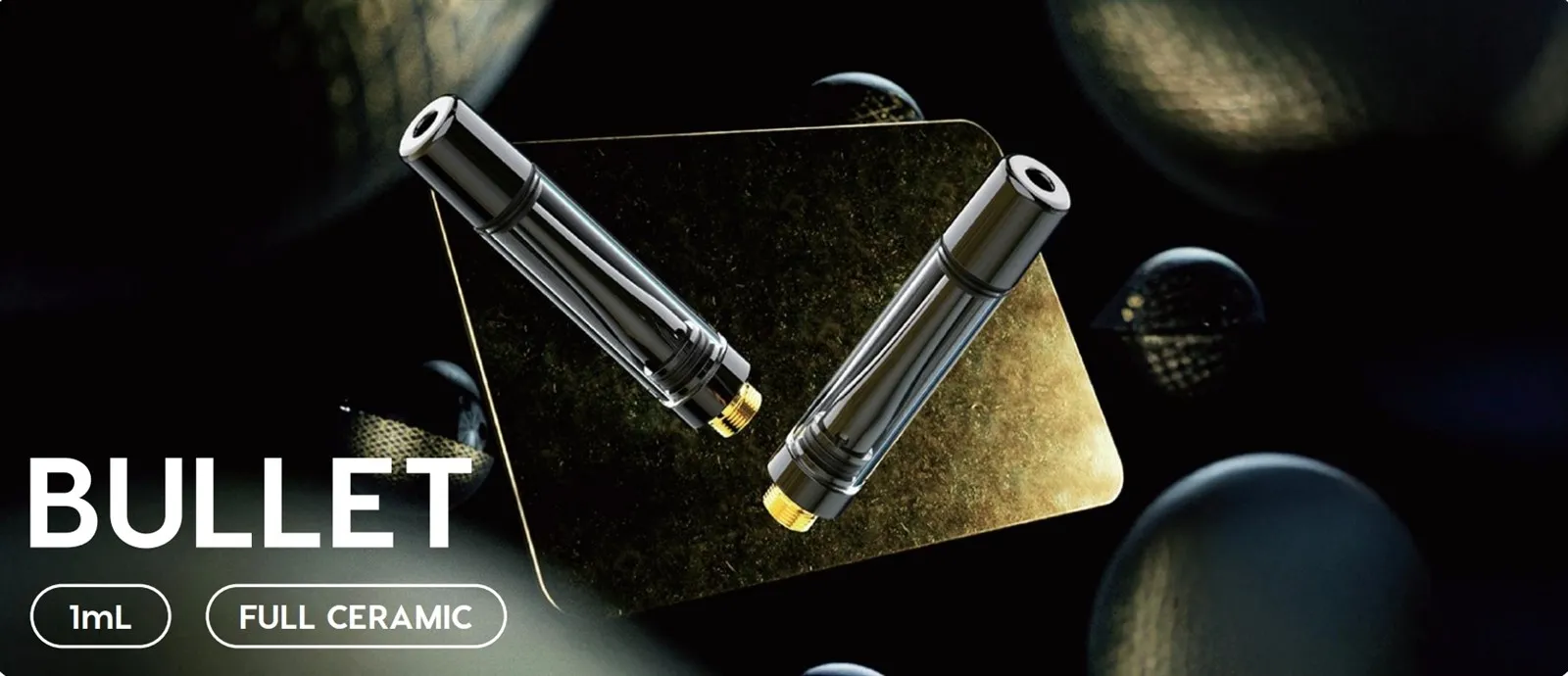
Cannabis vape hardware includes the cartridge body, center post, tank material, mouthpiece, ceramic core or heating element, intake holes, seals, airflow path, and battery connection. For standard cartridges, the most common format is the 510 thread vape cartridge, which connects to a compatible 510 battery.
Live resin and distillate place different demands on this system.
Hardware Needs for Live Resin Carts
Live resin oil often contains more terpenes and may be more sensitive to heat. If the heating element runs too hot, the cart can taste burnt, harsh, or flat. The whole point of live resin is terpene preservation, so overheating defeats the product.
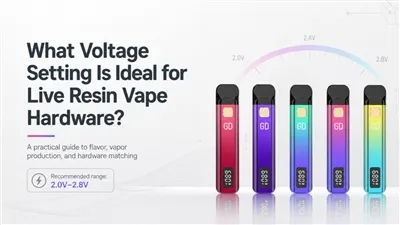
For many live resin carts, a lower voltage range often works better, commonly around 2.0V–2.6V, depending on oil viscosity and cartridge design. Some oils may perform well slightly higher, but pushing voltage too far can damage flavor quickly.
For live resin vape hardware, brands should pay close attention to:
- ceramic heating elements designed for smooth, even heating
- stable airflow that does not flood the coil
- intake hole sizing matched to oil viscosity
- leak-resistant seals
- glass or high-grade tank materials suitable for terpene-rich oils
- low-voltage battery compatibility
- storage stability after filling
A common industrial issue is using a cartridge designed for standard distillate with a terpene-rich live resin oil. It may pass a short puff test, but problems show up after shipping, heat exposure, or two weeks of shelf storage: leakage, clogging, flavor drop-off, or darkening around the intake holes.
Live resin needs hardware that protects flavor, not just hardware that produces vapor.
Hardware Needs for Regular Distillate Carts
Distillate oil is usually more forgiving, but that does not mean any cartridge will work.
Distillate viscosity can change depending on cannabinoid concentration, terpene ratio, additives, and storage temperature. A thick high-THC oil may struggle with small intake holes. A thinner terpene-heavy formula may leak in hardware with weak sealing or oversized oil inlets.
For regular distillate carts, brands should focus on:
- consistent wicking
- anti-leak structure
- clog resistance
- stable vapor output
- material safety
- repeatable filling performance
- compatibility with common 510 batteries
For high-volume distillate lines, a small hardware failure rate becomes expensive fast. A 2% leakage rate in a 50,000-piece production run means 1,000 defective units before customer service costs, retailer complaints, or brand damage.
That is why cartridge selection should happen before commercial filling, not after the oil formula is finalized.
Storage and Shelf Life: Why Live Resin Carts Need More Care
Live resin carts are more sensitive to storage conditions than regular carts.
Heat, light, oxygen exposure, and poor sealing can degrade terpenes. When terpenes degrade, the cart may lose aroma, taste flatter, or feel harsher. In some cases, the oil may darken or change consistency.
For consumers, the basic rule is simple: store live resin carts upright, in a cool and dark place, away from direct sunlight and high heat.
For brands, the issue is broader.
Storage stability depends on oil quality, filling process, packaging, and hardware. A live resin cart shipped across hot regions or stored in a warehouse without temperature control needs better sealing and stronger material compatibility than a cart sold locally and consumed quickly.
Good hardware cannot fix bad oil.
But poor hardware can ruin good oil.
How to Choose Between Live Resin Carts and Regular Carts
The right choice depends on what the product is supposed to deliver.
A consumer chooses based on experience. A cannabis brand chooses based on market segment, oil supply, pricing, hardware compatibility, and failure tolerance.
Choose Live Resin Carts If You Prioritize Flavor and Premium Experience
Live resin carts make sense when the product is built around flavor, aroma, and strain identity.
They are a strong fit for:
- premium cannabis vape lines
- strain-specific product launches
- experienced users
- flavor-focused buyers
- dispensary menus that highlight flower genetics
- brands trying to move beyond generic high-THC carts
For live resin, the selling point should not be only potency. It should be the full experience: terpene profile, aroma, mouthfeel, and how closely the cart reflects the original plant.
If the hardware burns too hot or leaks after filling, that premium positioning collapses.
Choose Regular Carts If You Prioritize Potency, Value, and Consistency
Regular distillate carts make sense when the goal is high THC, predictable performance, lower cost, and broad appeal.
They are a strong fit for:
- value vape lines
- high-volume retail programs
- discreet-use products
- consistent THC-focused carts
- flavored vape collections
- markets where price sensitivity is high
A regular cart can be a smart product. It just needs to be honest about what it offers: clean potency, consistency, and accessibility.
For large runs, distillate also gives brands more control over batch planning and supply chain management.
For Cannabis Brands: Match Oil Type With the Right Hardware
For cannabis brands, the choice should not stop at live resin versus distillate.
The better question is:
What oil are you filling, and what hardware behavior does that oil require?
Before scaling production, brands should test:
- oil viscosity at filling and room temperature
- leakage after heat exposure
- clogging after storage
- vapor output at different voltage settings
- flavor quality after repeated puffs
- compatibility with ceramic core design
- heavy metal and material safety reports
- shelf stability after 2–4 weeks
A cart that works well for a thin distillate formula may not work for a thicker live resin oil. A cartridge that performs well at 3.2V may be a poor fit for terpene-rich oil that tastes better at lower voltage.
Hardware selection is not packaging. It is part of the product formula.
Final Verdict: Are Live Resin Carts Better Than Regular Carts?
Live resin carts are better when the goal is authentic flavor, stronger aroma, and a fuller cannabis experience. Regular carts are better when the goal is high THC, lower price, predictable performance, and discretion.
That is the real answer behind live resin carts vs regular carts.
For cannabis brands, the winning product is not just the better oil. It is the right match between oil type, cartridge hardware, battery settings, filling process, and target customer.
ASM VAPE helps cannabis brands develop and source vape hardware for live resin, distillate, and other cannabis oil formulations. If you are building a new vape line or improving an existing cartridge program, contact us to discuss oil compatibility, cartridge structure, and custom hardware options.

FAQs
Are live resin carts stronger than regular carts?
Not always by THC percentage. Regular carts often test higher in THC because distillate is highly refined. Live resin carts may feel stronger or more complete to some users because they contain more terpenes and minor cannabinoids.
Why do regular carts usually have higher THC percentages?
Regular carts usually contain distillate oil, which is processed to concentrate THC. This removes many other plant compounds, allowing THC to make up a larger percentage of the final oil.
Do live resin carts taste better?
Usually, yes, if the live resin is well made and the hardware is suitable. Live resin preserves more natural terpenes, so the flavor is often richer and more strain-specific than regular distillate carts.
Are live resin carts worth the higher price?
They are worth it for users who care about flavor, aroma, and a more premium cannabis experience. If the buyer mainly wants high THC at a lower price, regular carts may be the better fit.
Can live resin carts work with any vape battery?
Most live resin carts use standard 510 thread hardware, but battery settings still matter. A battery with adjustable voltage is better because live resin often performs best at lower temperatures.
What voltage is best for live resin carts?
Many live resin carts perform well around 2.0V–2.6V, depending on oil viscosity and cartridge design. Lower voltage helps protect terpenes and preserve flavor. The best setting should be tested with the actual cartridge and oil.
How should live resin carts be stored?
Store live resin carts upright in a cool, dark place. Avoid direct sunlight, high heat, and long exposure to air. Poor storage can reduce flavor and affect oil stability.
Which cart type is better for cannabis brands?
Live resin carts are better for premium, strain-focused products. Regular distillate carts are better for high-volume, cost-sensitive, high-THC products. For both types, the hardware must match the oil formulation.