Cannabis vape cartridges look simple from the outside, but the heating core inside the cartridge determines how the oil actually vaporizes. In most vape cartridges, this heating system is built around a coil and wicking structure that absorbs oil and converts it into vapor.
Two common technologies are used in the industry:
- Ceramic coil
- Cotton wick coil
Both have been used in vape devices for years. However, cannabis oil behaves very differently from standard e-liquid. It is thicker, contains terpene compounds, and requires more stable heating conditions.
Because of this, the choice between ceramic and cotton coils becomes an important hardware decision for cannabis brands, cartridge distributors, and product developers.
To understand which option works better for thick cannabis oil cartridges, we need to look at how each system is built and how it interacts with viscous oil.
Why Coil Type Matters for Cannabis Oil Cartridges
The coil is the only part that directly contacts and heats your oil. In thick oils, poor wicking leads to dry spots, hotspots, and eventual clogging. Burnt cotton adds off-flavors. Metal leaching from wire can contaminate the oil. Brands lose money on returns and lose customers on bad first experiences.
Ceramic coils changed that equation. They wick thicker oils without gunk buildup and heat evenly at lower temps to protect terpenes and cannabinoids. Cotton coils still work fine for thin distillates or budget e-liquids, but for cannabis thick oils they fall short.
What Is a Ceramic Coil?
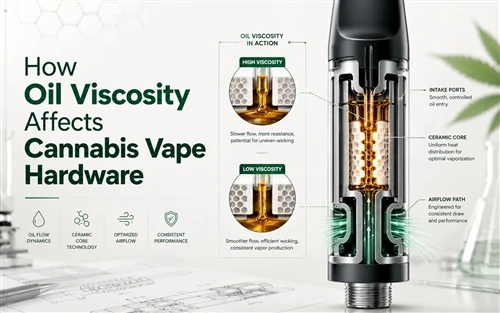
A ceramic coil uses porous ceramic material as both the wick and heating surface. High-grade clay forms a microporous structure-typically 15-20 micron pores for thick oils. Oil soaks into the pores evenly. An embedded or printed heating element (often resistive trace) warms the ceramic body.
No cotton. No exposed metal wire touching the oil path. Heat spreads uniformly across the surface. This prevents localized overheating. Brands choose full ceramic (entire atomizer ceramic) or glass tank with ceramic core. Single-source, in-house ceramic cores give the most consistent performance-avoid mixed suppliers where pore size varies.
What Is a Cotton Coil?
Traditional cotton coil: organic cotton strip wrapped around a metal heating wire (usually kanthal or stainless). Cotton pulls oil via capillary action. The wire heats up and vaporizes whatever the cotton delivers.
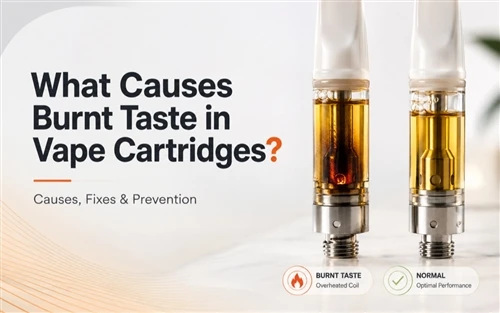
It heats fast. Flavor hits quick on thin oils. Cheap and easy to produce. But cotton degrades. It chars over time. Thick oils sit on the surface instead of soaking through, causing buildup (gunk). Low oil level means dry cotton burns fast. Burnt cotton taste ruins the hit. Metal wire can leach into acidic extracts.
Cotton works for low-viscosity e-liquids. For live resin or rosin, it clogs or burns out early.
Ceramic vs Cotton Coil: Key Differences
Here's the side-by-side that matters for thick cannabis oil cartridges.
|
Feature |
Ceramic Coil |
Cotton Coil |
|
Material & Oil Contact |
Porous ceramic only-no metal in oil path |
Cotton wick + metal wire |
|
Heat Distribution |
Even across surface, low hotspots |
Localized on wire, easy hotspots |
|
Thick Oil Compatibility |
Handles high viscosity (live resin, rosin) well |
Gunks up, clogs easily |
|
Flavor Consistency |
Pure, stable from first to last puff |
Starts clean, degrades with burnt/off notes |
|
Dry Hit / Burn Risk |
Very low-no wick to dry out |
High when oil level drops |
|
Lifespan |
Weeks to months, low maintenance |
Short, frequent replacement needed |
|
Vapor Production |
Thicker clouds, more oil vaporized per draw |
Quick start but inconsistent on thick oils |
|
Terpene / Cannabinoid Protection |
Even low-temp heating preserves delicate compounds |
Higher burn risk destroys terpenes |
|
Upfront Cost |
Higher |
Lower |
Ceramic wins on performance metrics that affect thick oils most. Cotton saves money upfront but costs more in wasted product and complaints.
Which Coil Works Better for Thick Cannabis Oil?
Thick cannabis oil means live resin, rosin, high-viscosity distillate, or THCA diamonds. These have poor flow. They need strong wicking and even heat to avoid clogging and burning.
Ceramic coils pull thick oil into the pores without pooling. Larger pore sizes (15-20 microns) let it move freely. Even heating keeps temps in the 350-450°F sweet spot-hot enough to vaporize, cool enough to save terpenes. No dry hits when oil level drops. Clouds stay full and consistent. Waste drops because almost all oil gets used.
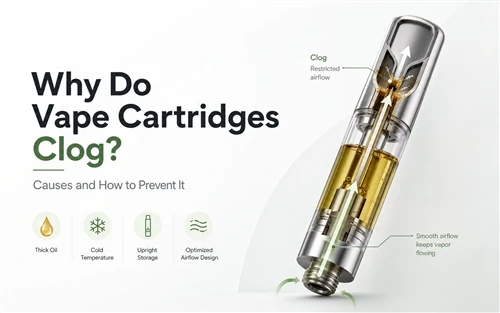
Cotton coils fail here. Thick oil sits on the cotton surface. It clogs the fibers. Vapor drops off fast. Burnt hits appear early. Terpenes burn away. Many brands see 30-50% waste before switching.
According to our latest testing and client feedback, ceramic handles thick oils cleanly. Cotton does not.
Why Most Cannabis Vape Cartridges Use Ceramic Coils Today
The switch happened for good reasons. In recent years, brands noticed metal and cotton issues with cannabis extracts-burnt tastes, clogging, metal taste in distillates. Ceramic solved most of them.
Live resin and rosin demand surged. These thick extracts clogged cotton carts overnight. Ceramic wicked them smoothly. Terpene preservation became a selling point-ceramic's even heat keeps profiles intact. Regulations pushed cleaner materials-no heavy metal risk. Durability helped too-ceramic lasts longer, reducing single-use waste concerns.
Today, premium and thick-oil focused brands run ceramic almost exclusively. Full ceramic or glass + ceramic core dominates. Cotton lingers in budget thin-distillate products, but not for serious cannabis hardware.
How to Choose the Right Coil for Your Cannabis Vape Cartridge
Start with your oil viscosity.
- Live resin, rosin, high-terp full-spectrum, THCA diamonds → go ceramic. Look for microporous with 15-20 micron pores labeled "high viscosity" or "live resin compatible."
- Thin distillate or budget blends → cotton can work if cost is tight.
- Always test compatibility. Fill samples. Run them at 2.8-3.5V. Check for clogging, taste drop-off, dry hits.
- Pick glass tank + single-source ceramic core for consistency. Avoid mixed ceramic batches-pore variation kills performance.
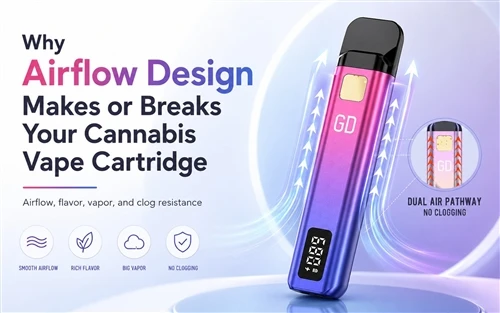
- Factor in airflow: larger intake holes (2.0 mm+) help thick oils flow.
- Match to your battery: low-voltage preheat helps ceramic on thick oils.
Test hardware before scaling. A bad coil choice wastes batches.

FAQ
Is ceramic really better for thick oils like live resin or rosin?
Yes. Microporous structure wicks viscous oils without clogging. Cotton struggles and builds gunk fast.
Can I still use cotton coils for cannabis carts?
For thin distillate, maybe. For thick extracts, no-clogging and burnt hits will kill user experience.
Are ceramic coils worth the extra cost?
For thick oils, yes. Longer life, less waste, better flavor consistency pay off quickly.
Does ceramic taste different from cotton?
Cleaner and more stable. No burnt cotton notes. Terpenes come through pure.
How do I avoid dry hits or burnt taste?
Use ceramic. Add low-voltage preheat. Keep carts upright. Don't chain-vape when oil is low.
Can you clean ceramic coils?
Not recommended. Porous material can crack or retain residue. Replace when performance drops.
Does ceramic protect terpenes better?
Yes-even heating at lower temps avoids degrading delicate compounds.
Ceramic or Cotton Coil for Cannabis Oil?
For thick cannabis oil cartridges-live resin, rosin, high-viscosity distillate, THCA-ceramic coil is the clear choice in 2026. It wicks better, heats evenly, lasts longer, preserves flavor, and cuts waste. Cotton works for thin oils but falls apart on thick extracts.
We build hardware for exactly these oils. Our full ceramic cartridges run thick fills smoothly-no clogs, full terpene expression, consistent pulls from first to last. If you're filling premium thick oils and want samples or compatibility testing for the U.S. or German market, reach out. We test with your extract first.