The best disposable vapes for rosin are low-temperature, ceramic-core devices designed for thick solventless extracts. Rosin needs smooth oil feeding, stable low-voltage output, gentle preheat, and strong leak and clog resistance. A regular disposable vape made for thin distillate may produce burnt flavor, weak vapor, or blocked airflow when filled with rosin. For premium oils, the hardware must protect flavor first.

What Makes a Disposable Vape Good for Rosin?
A disposable vape is an all-in-one vape device that integrates the oil tank, heating core, battery, airflow path, and mouthpiece into one ready-to-use unit. For cannabis oil brands, disposable vape hardware is often used for prefilled THC, CBD, live resin, distillate, and live rosin products.
Rosin is different from most vape oils.
The best disposable vape for rosin is not the device with the biggest clouds or the highest power. It is the device that can vaporize thick oil gently and consistently without burning the terpenes or starving the heating core.
A rosin-friendly disposable vape usually needs these features:
- Ceramic heating core
- Stable low-voltage output
- Gentle preheat function
- Large or optimized oil intake holes
- Smooth anti-clog airflow
- Leak-resistant tank structure
- Terpene-compatible oil-contact materials
- Hardware customization based on oil viscosity
For live rosin, the goal is simple: preserve the original flavor of the extract while maintaining smooth vapor from the first puff to the last. If the hardware overheats the oil, the flavor becomes harsh. If the oil feeding is too slow, the core runs dry. If the airflow path is poorly designed, clogging becomes a frequent complaint.
Rosin needs controlled vaporization, not aggressive heating.
Why Rosin Needs Different Vape Hardware
Rosin is a solventless cannabis concentrate made by applying heat and pressure to cannabis material. Live rosin is usually made from fresh-frozen cannabis flower or trim, which helps preserve more of the plant's terpene profile and cannabinoid content. This gives live rosin its rich aroma, natural flavor, and premium market position.
That same quality also makes it harder to vape.
Rosin Is Thick and Harder to Feed
Rosin is a high-viscosity cannabis oil. At room temperature, it can be much thicker than distillate. In cooler environments, it may move slowly through the tank or feed poorly into the heating core.
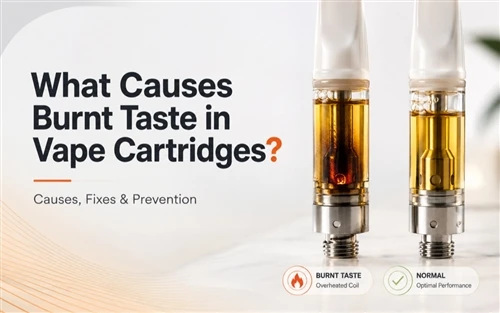
This creates a common problem: the heating core gets hot before enough oil reaches it. The result is dry hits, burnt taste, weak vapor, or uneven vaporization.
A disposable vape for thick oil needs a better oil-feeding system. This includes the size of the intake holes, the placement of those holes, the internal oil path, and the way the oil chamber connects to the ceramic core.
Rosin Is Sensitive to Heat
Rosin's value comes from its natural terpene profile. Terpenes are aromatic compounds that shape the flavor and aroma of cannabis extracts. They are also sensitive to excessive heat.
High voltage may create bigger vapor, but it can also flatten the flavor. For live rosin, lower and more stable heating is usually preferred. Many rosin-friendly devices use lower voltage settings, often around 2.2V to 2.8V depending on the ceramic core, resistance, airflow, and oil formulation.
The exact number is not universal. The principle is.
Rosin should be vaporized gently enough to protect flavor, but efficiently enough to prevent oil buildup and clogging.
Hardware Failure Costs More with Rosin
Rosin is more expensive to produce than many other cannabis oils. When a rosin disposable leaks, clogs, burns, or fails halfway through the oil, the loss is not small.
For brands, poor hardware can damage more than one unit. It can damage trust.
That is why rosin disposable vape hardware should be selected as a complete system, not as a collection of attractive specifications.
Ceramic Heating Core: The First Requirement for Rosin Disposable Vapes
A ceramic heating core is one of the most important parts of a disposable vape for rosin. In vape hardware, the heating core is the component that absorbs oil and turns it into vapor when powered by the battery.
For high-viscosity extracts like live rosin, ceramic is usually preferred because it offers more even heat distribution and cleaner flavor than traditional cotton-wick systems.
Ceramic Core vs Cotton Wick
Cotton wicks can absorb thin oils quickly, but they are not always ideal for thick rosin. With rosin, cotton may struggle to keep feeding oil consistently during repeated puffs. If part of the wick dries out while the coil is still heating, the user may taste burnt cotton or scorched oil.
Ceramic performs differently.
A porous ceramic core can hold and release thick oil more evenly. It helps distribute heat across a wider surface and reduces localized overheating. This is especially important for flavor-focused extracts, where one overheated section can change the entire taste.
| Heating System | Suitability for Rosin | Main Consideration |
|---|---|---|
| Cotton wick | Low to moderate | May struggle with thick oil and can affect flavor |
| Standard ceramic core | Good | Better heat distribution and cleaner taste |
| Advanced porous ceramic / ceramic mesh | Strong | Larger heating area and improved oil absorption when properly designed |
Porous Ceramic and Advanced Ceramic Structures
Advanced ceramic structures, such as porous ceramic cores or ceramic mesh-style designs, can improve heating area and oil absorption. They may help thick extracts reach the heating surface more consistently.
Still, ceramic alone does not guarantee good performance.
A strong ceramic core must work together with proper oil intake, voltage control, airflow, and tank sealing. A poorly designed device can still clog or burn oil even if it uses ceramic.
For rosin, ceramic is the starting point. The full structure decides the final experience.
Low Voltage, Stable Output, and Preheat: How to Preserve Rosin Flavor
Rosin is not a "more power is better" oil. Strong output may create dense vapor for some distillate products, but rosin usually needs lower, cleaner, and more controlled heating.
This is where voltage, power stability, and preheat design become important.
Why Lower Voltage Works Better for Rosin
Voltage affects how much heat the vape device sends to the heating core. For live rosin, lower voltage helps reduce the risk of terpene loss, burnt flavor, and harsh vapor.
A common rosin-friendly range is often around 2.2V to 2.8V, depending on resistance, airflow, oil viscosity, and heating core design. Some devices may offer wider variable voltage options, but the best setting for rosin is usually on the lower side.
A low-voltage disposable vape for rosin should not feel weak. It should feel controlled.
The goal is not to underheat the oil. The goal is to heat it evenly without damaging the flavor.
Stable Output Matters More Than Maximum Power
Disposable vape batteries can behave differently from the first puff to the last. If the output drops too much, vapor becomes weak. If the output is unstable, the oil may heat unevenly. If the device runs too hot, the rosin may darken, carbonize, or taste burnt.
A constant voltage or controlled power system helps maintain a more consistent thermal environment. This matters for rosin because thick oil needs steady heating to vaporize properly.
Rosin needs controlled power, not excessive power.
A good device has enough energy to start vapor production smoothly, but it does not continue to push unnecessary heat into the oil.
Why Preheat Helps Thick Rosin Flow
A preheat function gently warms the oil before the main vaporization process. For rosin, this can make a noticeable difference.
Because rosin is thick, it may need a little warmth before it flows easily into the ceramic core. Gentle preheat helps reduce first-puff dry hits, improves oil movement, and lowers the chance of clogging in cooler environments.
Preheat should be soft, not aggressive. The purpose is to loosen the oil, not cook it.
For thick solventless extracts, preheat is not just a convenience feature. It is part of the oil-feeding system.
Oil Intake, Airflow, and Anti-Clog Design for Thick Rosin Oil
Heating rosin properly is only half of the work. The device also needs to move thick oil to the heating core at the right speed.
If oil feeding is too slow, the core dries out. If airflow is poorly designed, condensation builds up. If the airway and oil chamber are not separated well, leaking or clogging can happen more easily.
Large or Optimized Oil Intake Holes
Oil intake holes are the openings that allow oil to move from the tank into the heating core. For thin distillate, small intake holes may work. For rosin, they can become a problem.
Rosin-friendly disposable vape hardware usually needs larger or better-positioned intake holes. The design should support high-viscosity oil without flooding the core.
Bigger is not always better. The intake design must balance oil feeding and leak resistance. The best result depends on the oil's viscosity, ceramic structure, tank pressure, and airflow design.
Poor intake design can cause:
- Dry hits
- Burnt taste
- Incomplete vaporization
- Weak vapor
- Oil residue buildup around the core
A device made for thick oil should be tested with thick oil, not only with standard distillate.
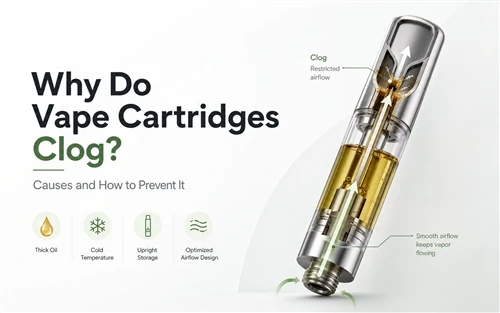
Smooth Airflow Reduces Condensation and Clogging
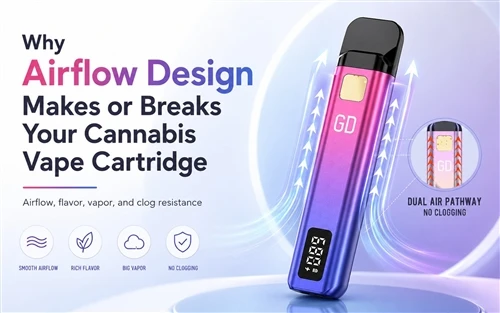
Airflow design controls how vapor moves from the heating chamber to the mouthpiece. In rosin disposable vapes, airflow affects draw resistance, vapor temperature, condensation, and clogging.
When vapor cools inside a narrow or poorly shaped airway, condensation can collect. Over time, this sticky buildup may block the path. Rosin can make this issue worse because it is rich, thick, and more likely to leave residue when vaporization is uneven.
A smooth airflow path helps reduce pressure imbalance and keeps the draw more consistent. Good airflow does not mean loose airflow. It means stable airflow.
Postless or Post-Free Chamber Design
A postless vape or post-free vape chamber removes the traditional center post from the oil tank. This can create a cleaner internal structure and allow the heating core and oil chamber to be arranged more directly.
For rosin, postless or post-free designs can be useful because they may support better oil contact, reduce unnecessary internal restrictions, and create more flexibility for airflow and ceramic core placement.
Postless design is not a magic label. It still needs proper voltage, oil intake, sealing, and testing. But for high-viscosity oils, it is often a strong platform for flavor-focused disposable vape hardware.
Leak-Resistant Tank and Terpene-Compatible Materials
Rosin disposable vape hardware must protect the oil. Leaking is not only an inconvenience. With premium rosin, leaking is direct product loss.
A leak-resistant disposable vape depends on tank precision, sealing structure, filling process, material compatibility, and pressure control. High-quality sealing rings, stable tank materials, and careful assembly all matter.
Terpene compatibility is another important factor. Rosin and live rosin can contain a rich terpene profile. Some terpenes may interact poorly with low-grade plastics or weak sealing materials over time. This can affect sealing performance, flavor purity, and product reliability.
Common oil-contact material considerations include:
| Component Area | What to Consider for Rosin |
|---|---|
| Tank material | Flavor neutrality, sealing stability, terpene compatibility |
| Sealing rings | Resistance to oil swelling and long-term leakage |
| Airflow path | Reduced condensation and smooth vapor movement |
| Heating area | Clean contact with oil and stable thermal behavior |
| Mouthpiece | Comfort, sealing fit, and vapor path cleanliness |
High-quality PCTG, glass, ceramic, stainless steel, and suitable sealing components can all be used depending on the product design. The key is not choosing one material name and assuming it is always best. The key is testing the complete device with the actual oil.
For rosin hardware, material selection should protect flavor, reduce leakage, and keep the device stable during storage and use.
Rosin Disposable Vape Hardware Checklist for Cannabis Brands
A good rosin disposable vape should be judged by how it performs with the target oil, not by a single specification. Rosin batches can vary in viscosity, terpene profile, and flow behavior. Hardware selection should account for that variation.
The checklist below can help evaluate disposable vape hardware for rosin or live rosin projects.
| Hardware Feature | Why It Matters for Rosin |
|---|---|
| Ceramic heating core | Supports even heating and cleaner flavor |
| Low-voltage output | Helps preserve terpenes and reduce burnt taste |
| Preheat function | Improves thick oil flow before vaporization |
| Large or optimized oil intake | Helps feed high-viscosity oil consistently |
| Stable power control | Keeps vapor and flavor more consistent |
| Smooth airflow | Reduces condensation and clogging risk |
| Leak-resistant tank | Protects high-value rosin oil |
| Terpene-compatible materials | Helps maintain flavor and sealing reliability |
| Custom voltage and coil options | Allows better matching to oil viscosity |
| Sample testing | Confirms real compatibility before bulk production |
Just as important, brands should know what to avoid.
Disposable vape hardware may not be ideal for rosin if it has:
- Cotton-wick-only heating
- Small or poorly placed intake holes
- High voltage with no lower setting
- No preheat function
- Weak sealing structure
- Unstable battery output
- Airflow paths that clog easily
- No oil compatibility testing
The strongest buying decision is not based on the catalog alone. It comes from sample testing with the actual rosin formulation.
ASM VAPE Disposable Vape Hardware Options for Live Rosin
ASM VAPE develops custom cannabis vape hardware for oils such as live rosin, live resin, and distillate. For live rosin projects, the most important step is matching the device structure, ceramic core, voltage output, oil capacity, and airflow design to the oil's viscosity and flavor target.
Below are three ASM VAPE disposable vape hardware options suitable for live rosin and live resin applications.
UNICORN - Best for Small-Capacity Premium Live Rosin

UNICORN is a custom 0.5mL / 1mL post-free disposable vape device designed for slim, lightweight, flavor-focused product lines. It features a 280mAh rechargeable battery, Type-C charging, Unicore ceramic core, 1.8Ω resistance, 2.0V output, plastic housing, and inhale activation.
For live rosin, UNICORN's 2.0V low-voltage output and ceramic core make it suitable for brands that prioritize flavor preservation over aggressive vapor production. Its slim pen-style body, transparent oil window, compact appearance, and multiple color options also make it a strong fit for small-capacity premium rosin products.
Recommended oils include live rosin and live resin.
ASM-D5 - Best for Dual-Flavor or Blended Rosin Concepts

ASM-D5 Dual Flavor Disposable is designed for brands that want a more differentiated product experience. It uses a true dual-chamber, dual-core structure, allowing users to switch between two flavors or enjoy a blended mode.
For rosin-focused products, the key feature is its postless structure with two independent Low-Temp TMATE™ black ceramic heating cores. The design removes traditional cotton wicks and metal coils, helping provide more even heat distribution and faster oil wicking at lower temperatures.
Voltage and resistance configurations can be customized to match different oil formulations. This makes ASM-D5 a strong option for live rosin, live resin, or dual-flavor premium oil concepts where flavor control matters.
UNIVERSE - Best for Customizable 1mL / 2mL Rosin Hardware

UNIVERSE Mini Postless Disposable Vape Device is a compact, rechargeable vape hardware platform for CBD and THC oil applications. It features a postless ceramic coil structure, stable low-voltage output, and draw-activated operation.
The UNIVERSE series offers 1mL and 2mL oil capacity options. It also supports customization for appearance, surface finish, voltage, and heating coil design. This allows brands to match the device more closely with specific oil viscosity and brand positioning.
For live rosin and live resin, UNIVERSE is a practical choice when a brand needs a compact but flexible postless disposable vape platform.
Final Answer: Which Disposable Vapes Are The Best For Rosin?
The best disposable vapes for rosin are ceramic-core, low-voltage, preheat-enabled devices with optimized oil intake, smooth anti-clog airflow, leak-resistant tanks, and materials suitable for terpene-rich oils.
Rosin does not need the hottest device. It needs the most controlled device.
For brands developing live rosin or live resin disposable products, ASM VAPE offers customizable hardware platforms including UNICORN, ASM-D5, and UNIVERSE. Contact ASM VAPE to discuss your oil viscosity, target capacity, voltage requirements, and sample testing options before moving into bulk production.