As a leading manufacturer of vaping hardware, we understand that the 510 thread battery is the heart of cannabis vaporizers, directly impacting user experience and brand reputation. This article dives deep into the lifespan of 510 thread batteries, exploring battery types, usage habits, and maintenance strategies to help you maximize performance. Whether you're a casual vaper or a cannabis brand seeking reliable supply chain solutions, this guide offers actionable insights to make informed decisions, enhance device longevity, and optimize vaping performance.

Understanding 510 Thread Battery Lifespan
The 510 thread battery, a universal standard for vape pens and cannabis vaporizers, is critical to both cost-efficiency and user satisfaction. Its widespread adoption in legalized cannabis markets makes understanding its lifespan essential for users and brands alike. On average, a standard 510 thread battery lasts 300–500 full charge-discharge cycles, translating to roughly 6 months to 2 years of real-world use, depending on habits and conditions.
Battery lifespan is measured in two key ways: cycle life and time-based degradation. A charge-discharge cycle occurs when a battery goes from 100% to near 0% and is fully recharged. For a daily vaper draining the battery completely, 300 cycles might equate to about 300 days. However, most users practice shallow charging (e.g., recharging before the battery is fully drained), which can significantly extend overall lifespan. Additionally, batteries naturally lose capacity over time, even when not in use, with high-quality lithium-ion batteries typically degrading at a rate of 5–10% per year.
The market offers a range of 510 thread batteries with varying lifespans. Entry-level batteries (standard lithium-ion) often last 200–300 cycles and degrade faster, while premium batteries (e.g., those using lithium iron phosphate or high-grade ternary lithium cells) can achieve 500–800 cycles or more. Though premium batteries may cost a few dollars more, their longer lifespan makes them more cost-effective over time. For cannabis brands, prioritizing lifecycle cost over initial price is critical when selecting hardware suppliers.
Temperature also plays a significant role. 510 thread batteries perform best at 20–25°C (68–77°F). Prolonged exposure to high temperatures (above 40°C/104°F) or freezing conditions (below 0°C/32°F) accelerates capacity loss. Users should avoid leaving devices in hot cars or direct sunlight and keep them insulated in cold environments, such as an inner pocket.
|
Factor |
Optimal Condition |
Suboptimal Condition |
Impact on Lifespan |
|
Battery Type |
Lithium iron phosphate/High-grade ternary lithium |
Standard lithium-ion |
±30–50% |
|
Charging Habits |
Shallow charge (30–80%) |
Deep charge (0–100%) |
±20–40% |
|
Temperature |
20–25°C (68–77°F) |
<0°C or >40°C |
±15–30% |
|
Usage Frequency |
Moderate (1–2 times daily) |
High-frequency continuous use |
±10–25% |
As a manufacturer supplying empty vaporizers to cannabis-legal markets, we've observed that THC oils often require higher power for atomization compared to standard e-liquids, placing greater strain on batteries and potentially accelerating wear. Brands should opt for higher-capacity, high-discharge-rate batteries to balance power demands with longevity. We offer tailored battery solutions to match specific oil properties, ensuring optimal performance and user satisfaction.

Key Factors Affecting 510 Thread Battery Lifespan
A 510 thread battery's lifespan depends on multiple interacting factors, from its chemistry to user behavior. Understanding these variables empowers consumers and brands to optimize performance and extend device life. Based on extensive testing and customer feedback, we've identified the most critical factors below.
Battery Chemistry
The battery's chemical composition is the foundation of its lifespan. Most 510 thread batteries use either lithium-ion (Li-ion) or lithium iron phosphate (LiFePO4) cells. Standard lithium-ion batteries, common in entry-level devices, offer 300–500 cycles and decent energy density but may struggle with high-power demands. LiFePO4 batteries, while slightly less energy-dense, provide 800–2,000 cycles and superior high-temperature stability, making them ideal for frequent use. For THC vaporizers requiring high burst currents to heat coils, we recommend high-drain cells, which deliver robust power output while maintaining longevity.
Charging Habits
Charging habits significantly impact battery health. Deep discharges (using the battery until it's completely drained) can reduce lifespan dramatically. Ideally, recharge when the battery reaches 30–40% and stop at 80–90% to minimize stress, similar to eating smaller, frequent meals for better health. While precise charge control may be impractical, avoid leaving the device fully drained or charged for extended periods. Brands can enhance longevity by integrating smart charging circuits that optimize charge cycles, reducing wear even if users charge to 100%.
Usage Frequency and Intensity
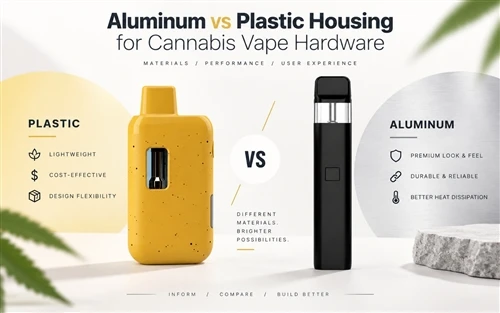
Naturally, heavy daily use shortens battery life compared to occasional use. However, session duration is equally critical. Prolonged continuous use raises battery temperature, accelerating degradation. For cannabis users with longer vaping sessions, we recommend devices with aerospace-grade aluminum casings for efficient heat dissipation without adding weight. Brands should also include guidance in manuals, suggesting a brief cool-down after 15–20 minutes of use to preserve battery health.
Environmental Conditions
Extreme temperatures stress batteries. Cold environments increase internal resistance, temporarily reducing capacity and risking permanent damage if discharged heavily. High temperatures accelerate chemical reactions, depleting active lithium. Our premium models feature temperature protection circuits that adjust output or pause operation in unsafe conditions, a feature brands can market to durability-conscious consumers.
Storage Conditions
Proper storage is vital for spare or seasonal devices. Lithium-based batteries self-discharge over time, and storing them at very low charge levels can cause irreversible damage. Store batteries at 40–60% charge in a cool, dry environment (15–25°C/59–77°F). We provide brands with detailed storage protocols to reduce returns and warranty claims by ensuring products remain reliable during inventory periods.
Performance comparison of 510 threaded batteries with different compositions
|
Metric |
Standard Li-ion |
High-Drain Li-ion |
LiFePO4 |
Lithium Polymer |
|
Cycle Life |
300–500 cycles |
400–600 cycles |
800–2,000 cycles |
200–300 cycles |
|
Energy Density |
Medium-High |
Medium |
Medium-Low |
Highest |
|
High-Drain Capability |
Average |
Excellent |
Good |
Average |
|
High-Temperature Stability |
Average |
Good |
Excellent |
Poor |
|
Cost |
Low |
Medium |
Medium-High |
Medium |
It's worth emphasizing that device compatibility significantly impacts battery lifespan. Even the highest-quality battery can fail prematurely if paired with an incompatible atomizer. A resistance that's too low (demanding excessive power) forces the battery to sustain high-current discharge, accelerating capacity degradation. Conversely, a resistance that's too high can cause pulsed high-current discharges, which are equally detrimental to battery health. As a professional vape hardware manufacturer, we offer more than just standardized products. We provide customized battery solutions tailored to your specific oil formulations and atomizer designs, ensuring the entire system operates at its optimal point. This holistic optimization approach can extend device lifespan by 20–30%, significantly boosting end-user satisfaction and brand loyalty.
How to Tell When Your 510 Thread Battery Needs Replacement
Recognizing when a 510 thread battery is nearing the end of its life is critical for maintaining performance and safety. Below are practical indicators to help users and brands assess battery health.
Reduced Battery Life
The most noticeable sign is a significant drop in runtime. If a battery that once lasted a full day now only powers half a day, or loses substantial charge after 24 hours of inactivity, its capacity has likely degraded. For cannabis vapers, a new battery might support 200–300 puffs per charge, but a drop to 150 or fewer suggests replacement is due. Brands should include reference metrics in manuals to help users evaluate battery status, noting that cold temperatures may temporarily reduce runtime but aren't indicative of permanent decline.
Insufficient Power Output
If the device produces weaker vapor or requires longer preheating, even at maximum voltage, the battery's internal resistance may have increased, limiting current delivery. This is particularly problematic for THC oils, where adequate vaporization temperature is essential to avoid wasting active compounds. Our premium models feature digital displays or power monitoring to provide accurate performance feedback, reducing guesswork. Brands should consider these features to enhance user experience.
Charging Issues
Charging abnormalities signal battery decline. Look for extended charging times (e.g., from 1 hour to 2–3 hours), excessive heat during charging, or rapid power loss after a full charge. These indicate chemical degradation within the battery. Overheating during charging is a potential safety hazard, requiring immediate cessation of use. Our devices include smart charging chips that monitor and halt charging if anomalies occur, offering added safety for users and brands.
Hardware damage
Though most 510 thread batteries are sealed, external signs like swelling, deformation, or corroded contacts (e.g., green/white residue) indicate serious issues, potentially including electrolyte leaks. Our 510 thread batteries use aerospace-grade aluminum casings and gold-plated contacts to minimize these risks, but users should inspect devices regularly, especially after heavy use.
Inconsistent Performance
When using multiple batteries from the same batch, if one battery's performance noticeably lags behind others of the same age, even if it appears new, it may indicate a defect or prior misuse. We recommend contacting your device supplier to track the specific batch of 510 thread batteries to minimize equipment failures and user complaints. To address this, we've integrated the following battery health diagnostic process into our quality control procedures:
- Capacity Test: Fully charge the battery and measure usage time under standard conditions (fixed resistance, consistent puff frequency) compared to its original performance.
- Internal Resistance Check: Use professional equipment to measure resistance (typically requires factory testing); a 20%+ increase signals aging.
- Self-Discharge Test: Charge to 80%, let sit for 48 hours, and check remaining charge; a loss exceeding 15% indicates poor health.
- Physical Inspection: Check for swelling, leaks, or corrosion.
- Performance Assessment: Evaluate vapor quality in real-world use.
For premium vape brands, we offer OEM customization services that include advanced battery health monitoring, displaying detailed battery health percentages via LED indicators or Bluetooth-connected smartphone apps. These value-added features are ideal for high-end market positioning, helping partners enhance brand value and user loyalty. Finally, it's critical to note that, even without obvious signs of aging, 510 thread batteries are consumables and should not be used indefinitely. For safety and performance, we recommend a proactive replacement cycle of 18–24 months or after reaching the manufacturer's specified cycle limit (e.g., 500 cycles).

Tips to Extend 510 Thread Battery Life
Maximizing the lifespan of a 510 thread battery saves costs, enhances user experience, and improves safety. Our proven strategies, tailored for cannabis vaping, combine electrochemical principles with practical insights.
Optimize Charging Habits
Avoid deep discharges and overcharging. Keeping the battery between 30–80% charge can double or triple cycle life compared to full 0–100% cycles. Charge frequently in small increments, like maintaining a healthy diet. Brands can integrate charge-limiting features (e.g., capping at 90%) via simple circuitry. Our premium models allow users to set custom charge limits via apps, catering to diverse preferences.
Manage Temperature
Heat accelerates battery degradation, so avoid prolonged high-power use, especially with high-resistance atomizers. Pause after 15–20 puffs to let the device cool. Our devices with overheat protection automatically adjust power or pause operation in unsafe conditions. Charge at room temperature (20–25°C/68–77°F), avoiding hot or freezing environments.
Use Compatible Chargers
Using the manufacturer's or certified chargers ensures proper voltage and current delivery. Mismatched or low-quality chargers risk improper charging and safety issues. Brands offering dedicated charging solutions reduce warranty claims and enhance reliability. Our OEM services include custom chargers designed for seamless compatibility.
Adjust Power Settings
High power settings increase battery strain, especially for viscous THC oils. Start with lower settings and adjust to the minimum effective power for satisfactory vapor. Our smart power modes auto-adjust based on atomizer resistance, balancing performance and longevity.
Regular Cleaning
Oxidation or residue on battery contacts increases resistance, causing energy loss and heat buildup. Clean electrodes monthly with a cotton swab and isopropyl alcohol. Our high-end models use gold-plated or self-cleaning contacts to minimize maintenance, a feature popular with commercial clients like dispensaries. Learn How to Clean a 510 Threaded Battery Complete Guide
Proper Storage
Store spare batteries at 40–60% charge in a cool, dry place (15–25°C/59–77°F). Full or empty storage accelerates degradation. Our storage mode automatically maintains optimal charge during dormancy, and we provide brands with inventory management guidelines to minimize returns.
Avoid Over-Discharge
Draining below 3.2V causes irreversible damage. Frequent full discharges can cut lifespan by 40%. Our low-voltage protection circuits shut off devices before reaching critical levels. Users should recharge when vapor weakens or indicators flash, rather than pushing the battery to its limit.
When to Replace Your 510 Thread Battery: Expert Advice
Even with optimal care, 510 thread batteries eventually reach the end of their usable life. Use these criteria to determine replacement timing:
Performance Thresholds
Replace the battery if:
- Runtime drops below 60% of original capacity.
- Vapor output weakens significantly (30%+ reduction in volume) at the same power setting.
- Charge loss exceeds 20% after 24 hours of inactivity.
- Internal resistance causes noticeable device overheating (surface temperature rises by 5°C+).
For commercial users, we recommend proactive replacement after 300 cycles or 12 months, whichever comes first, to maintain consistent performance and reduce complaints.
Safety Red Flags
Stop using the battery immediately if you notice:
- Swelling or deformation (indicating internal gas buildup).
- Excessive heat during charging (above 45°C/113°F).
- Corrosion or electrolyte leakage (green/white residue or chemical odor).
Our devices meet UN38.3 safety standards, but misuse can still pose risks. Brands should include clear safety warnings in manuals and consider QR codes linking to detailed guides.
Cost-Benefit Analysis
Replace the battery when maintenance costs (e.g., frequent charging, oil waste due to poor performance) exceed 30% of a new battery's price. Our lifecycle cost calculator helps brands quantify replacement timing. Premium batteries, despite higher upfront costs, often reduce daily expenses by 50% due to longer life and stability.
Tailored Battery Solutions for Cannabis Brands
As a global leader in CBD/THC vaping hardware, ASM GROUP LIMITED delivers cutting-edge 510 thread battery solutions designed to elevate your brand in the competitive cannabis market. With over a decade of expertise, we offer customized, high-performance batteries that meet the unique demands of cannabis vaporizers, ensuring reliability, safety, and an exceptional user experience.
Our flagship 510 thread battery is a premium device engineered for versatility and performance. Powered by a 300mAh lithium-ion battery, it supports USB fast charging, reaching full capacity in just 40 minutes. With adjustable voltage settings (2.4V–3.7V), it accommodates a wide range of vape cartridges, including those filled with live resin, rosin, and other THC/CBD oils, delivering optimal flavor and vapor production. The universal 510 thread design ensures compatibility with most cartridges on the market, while advanced features like short-circuit protection, low-voltage protection, and a durable aluminum-zinc alloy casing guarantee safety and longevity. An integrated LED digital display enhances user control and adds a premium aesthetic, positioning your brand as a leader in the high-end vaping market.

Why Choose ASM GROUP LIMITED?
- Industry Leadership: With 10 years of specialized experience, we are recognized as a top-tier manufacturer of CBD/THC vaping devices, trusted by brands worldwide.
- Advanced Production Facilities: Our two state-of-the-art production bases, spanning over 2,000 square meters, include a 5,000-square-meter medical-grade cleanroom, enabling a monthly output of 1.5 million units. Certifications such as ISO9001, GMP, ISO13485, and cGMP underscore our commitment to quality.
- Innovation-Driven: With over 200 patents, we pioneer advancements in vaping technology, ensuring your products stay ahead of market trends.
- Uncompromising Quality Control: From raw material inspection to final device testing, every unit undergoes rigorous checks to ensure unmatched reliability and safety.
- Customized Solutions: We tailor battery specifications to your oil's viscosity and atomizer requirements, offering:
- High-burst-current batteries for thick THC oils (supporting 10A+ instant discharge).
- Wide-temperature-range batteries for stable performance from -20°C to 60°C.
- Stable-output batteries optimized for ceramic coil atomizers to minimize core damage.
- Compliance Expertise: We streamline market entry with full support for CE, RoHS, UN38.3, and other certifications, along with MSDS and transport documentation for seamless global distribution.
- Data-Driven After-Sales Support: Our batch tracking system and failure analysis enable continuous product improvement. For example, after identifying faster degradation in high-heat environments, we enhanced cooling designs, reducing failure rates by 62% in North America.
Partnering with ASM GROUP LIMITED means access to bespoke battery solutions that enhance your brand's reputation for quality and innovation. From customized power profiles to premium design features, we empower you to deliver vaping devices that stand out in legalized cannabis markets, ensuring consistent performance and customer satisfaction.
Conclusion
Mastering 510 thread battery lifespan is both a science and an art, blending technical knowledge with practical habits. For users, adopting proper charging, storage, and maintenance practices unlocks peak performance. For cannabis brands, partnering with a reliable hardware supplier offering tailored battery solutions is key to standing out in the competitive vaping market.
![How to Choose Vape Hardware for Delta 9 Oil [2026 Guide]](/uploads/43868/info/n20260923113103fe52e.jpg)